01

DIABETIC KIDNEY DISEASE

Diabetic kidney disease

Preclinical research direction

Clinical questions and biological focus

Investigate how candidate carriers reach intended sites and retain payload function in contexts such as renal inflammation, fibrosis and glycocalyx injury.

Research questions
Uptake by tubular, endothelial or other target cells; the influence of pathology on distribution; and relationships between delivery and efficacy.

Shengyu delivery strategies and validation

Candidate approaches
Urine-derived stem-cell-associated vesicles, biomimetic membranes, carbohydrate and polymer carriers, and targeting modifications.
Evaluation priorities
Carrier distribution and cellular localization alongside urine or blood biochemistry, histology and relevant molecular markers. Endpoints depend on the study objective.
Discuss this research area
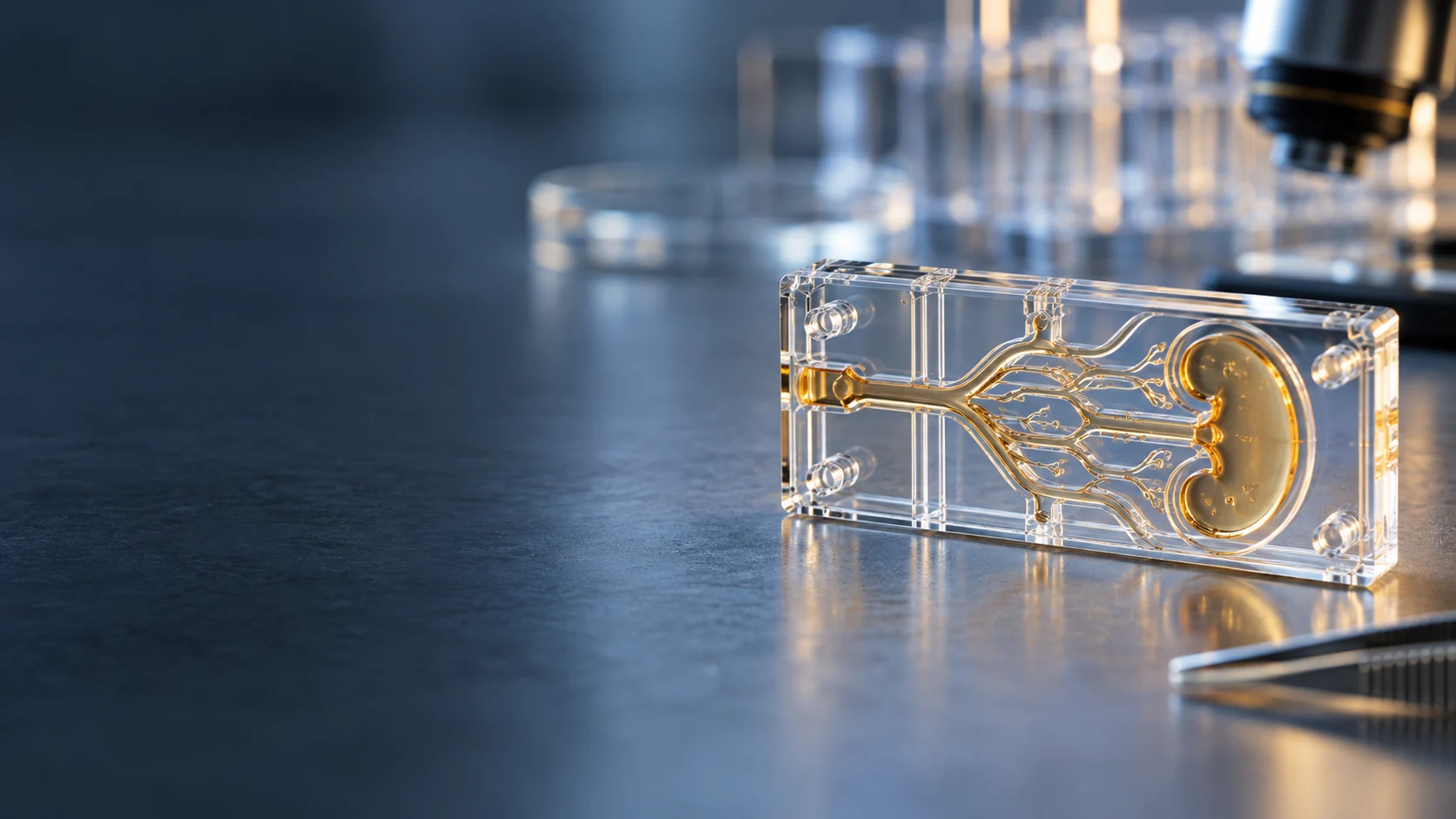
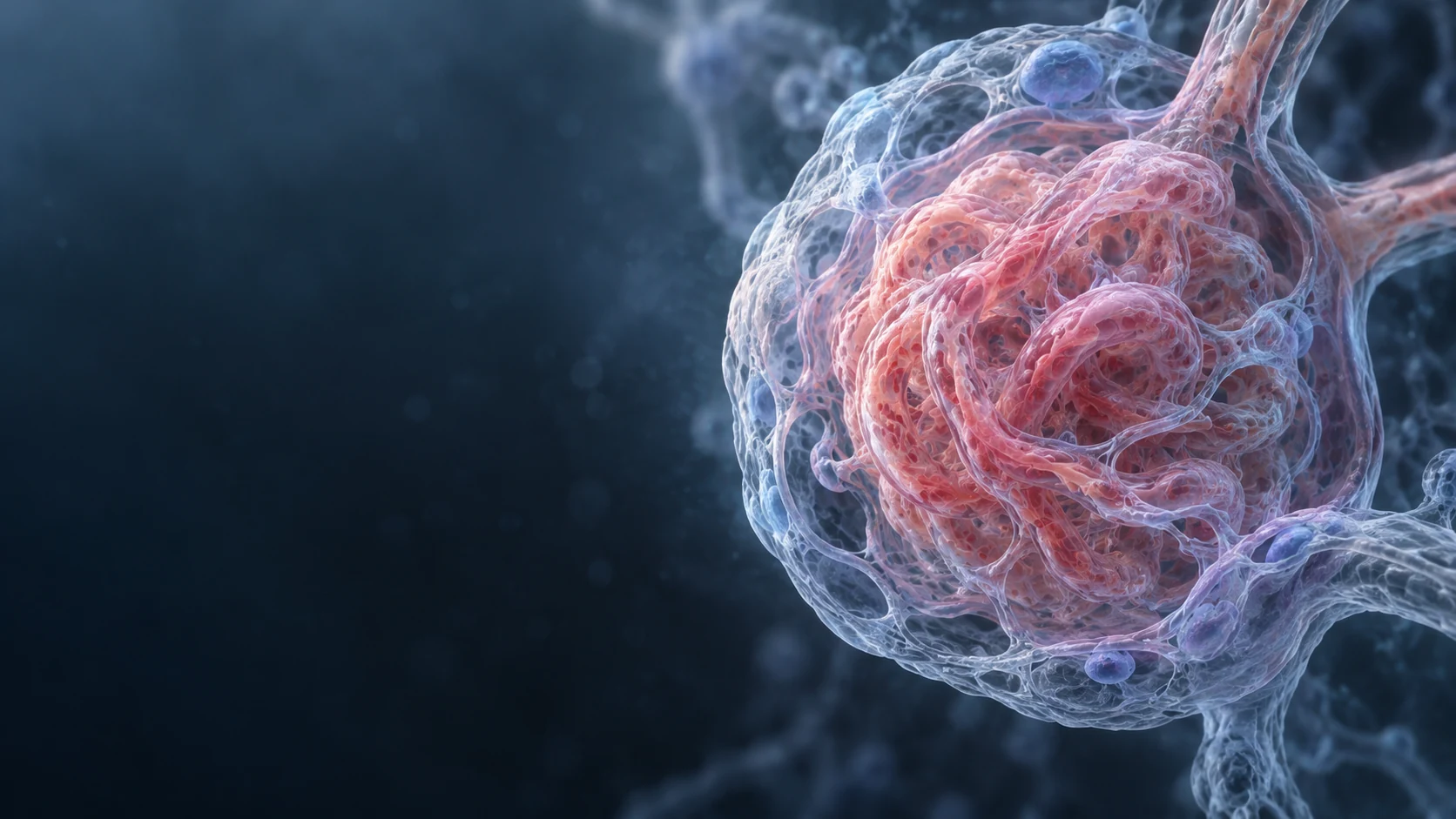
Original illustration labels: Chinese. Delivery studies in diabetic kidney disease require defined target sites and cellular localization. Conceptual illustration.
02

ACUTE & CHRONIC KIDNEY INJURY

Acute and chronic kidney injury

Preclinical research direction

Clinical questions and biological focus

Explore delivery of anti-inflammatory, anti-fibrotic or other mechanistic payloads in relation to injury state and dosing window.

Research questions
Changes in receptors and uptake during injury, dosing timing, renal exposure and extra-renal distribution.

Shengyu delivery strategies and validation

Candidate approaches
Combinations of receptor/ligand-targeted carriers, biomimetic vesicles and responsive release modules.
Evaluation priorities
Relationships between distribution, functional, biochemical and histological measures. Imaging signals alone do not establish efficacy.
Discuss this research area
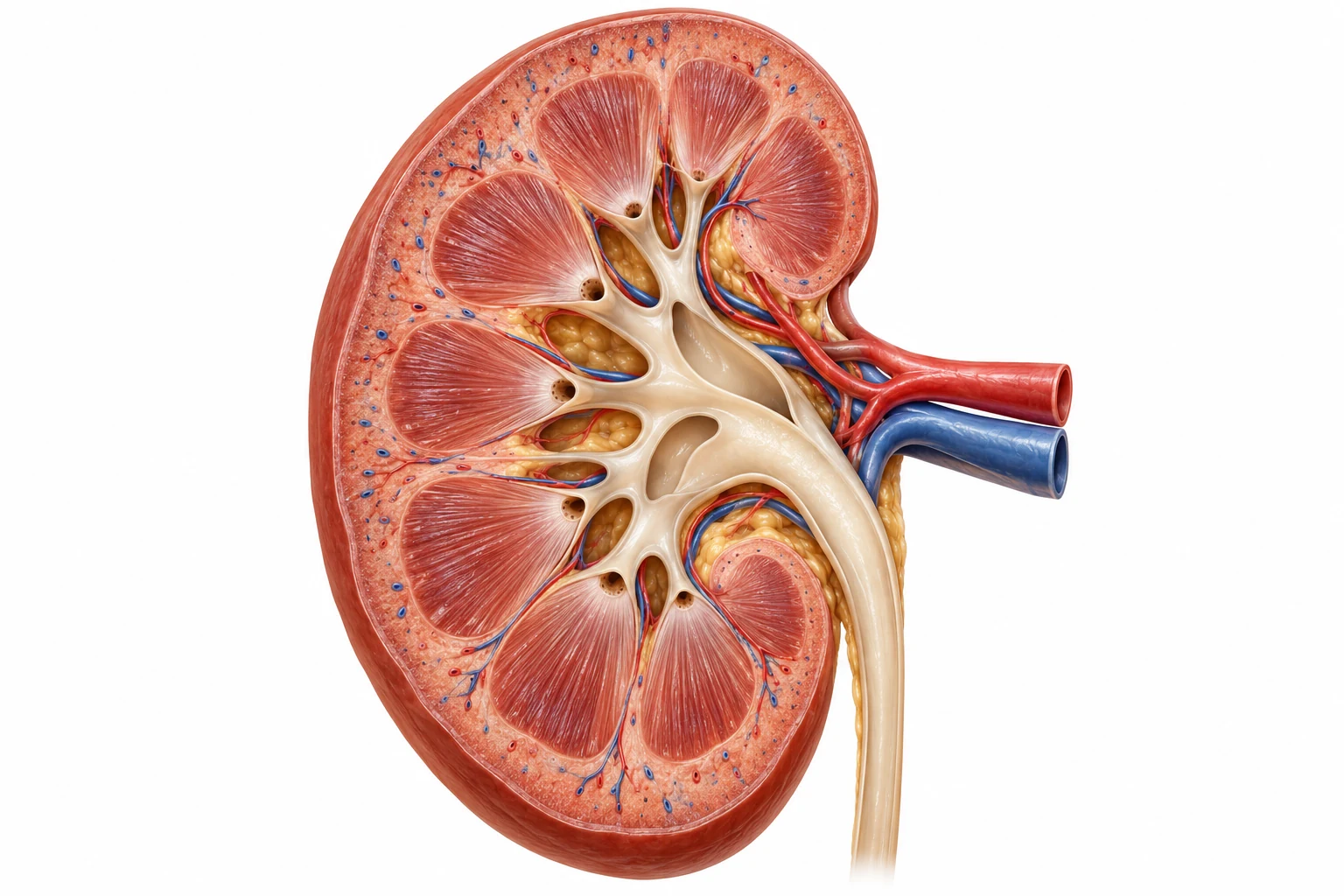
Renal anatomy and injury-microenvironment study conceptINJURY MICROENVIRONMENT

BIOLOGY × TIMING

Align dosing time with the injury state.

01Inflammation and stress signals

Track injury-associated signals and their changes.

02Endothelial and uptake changes

Evaluate permeability, receptor expression and cellular uptake.

  1. Characterize injury
  2. Compare dosing times
  3. Relate multiple endpoints

The dosing window depends on the model, payload and predefined endpoints; no universal time range is assumed.

Study framework for the injury microenvironment and dosing time; conceptual, not measured results.
03

DEFINED NATURAL ACTIVE MOLECULES

Delivery of natural active compounds

Preclinical research direction

Clinical questions and biological focus

Connect defined active constituents of Hainan medicinal plants with delivery design, beginning with compound identity, stability and experimental readouts.

Research questions
Is the active constituent defined? What are its solubility and stability? Is activity retained after loading?

Shengyu delivery strategies and validation

Candidate approaches
Compatible carbohydrate, polymer or biomimetic carriers, with targeting or release features where appropriate.
Evaluation priorities
Compare free and carrier-associated compounds, loading and release, in vitro activity and subsequent in vivo evaluation.
Discuss this research area
Original illustration labels: Chinese. Natural compound research begins with defined composition and payload compatibility.
04

RESPONSIVE PROBES & IMAGING

Responsive probes and diagnostic research

Preclinical research direction

Clinical questions and biological focus

Explore detection of injury-related signals and intrarenal distribution using filterable carrier and responsive-module research concepts.

Research questions
Response specificity, background signal, in vivo activation and signal clearance; consistency between readouts and study measures.

Shengyu delivery strategies and validation

Candidate approaches
Small carbohydrate scaffolds, enzyme-responsive modules and fluorescence or other compatible imaging readouts.
Evaluation priorities
Exploratory evaluation of in vitro response controls, signal localization and quantification, renal clearance and urinary readouts.
Discuss this research area

PROBE VALIDATION PATH

From response specificity to interpretable readouts.

  1. 01

    Target enzyme / microenvironment

    Include target, non-target and inhibition controls.

  2. 02

    In vitro signal-to-noise

    Compare response intensity, background and selectivity.

  3. 03

    In vivo renal imaging kinetics

    Track signal location, time courses and background.

  4. 04

    Renal clearance and urine readout

    Verify clearance routes for the probe design; assess urinary signals where applicable.

Probe-specific validation pathway. Interpret imaging with controls, quantification and independent assays; imaging signals alone do not establish diagnostic performance.

RESEARCH PROGRESSION

Evidence at each stage.
Progress through collaboration.

Research proceeds through feasibility, in vitro validation and in vivo evaluation. Each project is assessed against its own data.

Build evidence before assessing the next research stage

  1. 01

    Questions and feasibility

    Define payloads, target cells, models and primary endpoints, and assess whether the proposed technology fits the question.

    Develop a testable plan
  2. 02

    Carriers and in vitro validation

    Use preparation, characterization, stability and cellular studies to identify approaches suitable for further research.

    Assess readiness for in vivo studies
  3. 03

    In vivo distribution and efficacy

    Study tissue distribution and disease endpoints under suitable conditions, then use the results to guide optimization or further development.

Milestone review: continue, optimize or add validation based on actual data.

Research boundaries

These are research and collaboration directions, not marketed products, approved diagnostics or clinical treatment services. Patents, scale-up and translation require separate assessment of IP, process and regulatory requirements.